The Fourth Charger Tax: A 20-Minute Drawer Census That Saves $60 Before Checkout

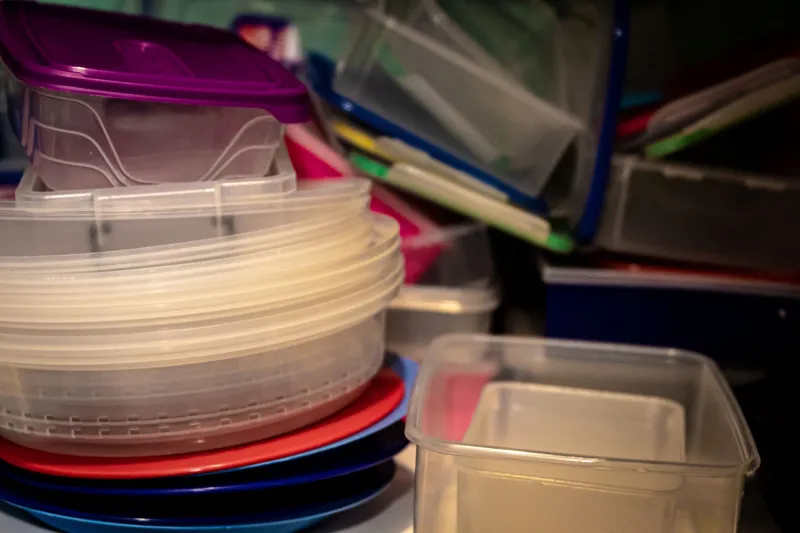
Photo: CreativeArchivenl, CC0, via Wikimedia Commons
Most people assume overspending happens at the big moment: the laptop upgrade, the holiday gift, the appliance that finally dies. But there is a quieter leak in a lot of households. It is the fourth phone charger bought because the other three are hiding in different rooms. It is the second tape measure still in its package while the first one sits in a garage drawer. It is the spare scissors you bought during a back-to-school sale and never opened.
That is not really a coupon problem. It is a visibility problem. And the fix is unglamorous: a quick household census before the next shopping trip.
Why duplicates cost more than they look
A single duplicate is rarely dramatic. A charging cable here, a pack of batteries there, a cleaning spray because the old one was under the sink. Individually, these are $6 to $15 decisions. Together, they add up fast — often to $50 or $60 in a single season, and sometimes more if you replace small tools and kitchen items without checking first.
The frustrating part is that duplicate buying does not feel like overspending. It feels efficient. You are solving a small problem in the moment. But if the item already exists somewhere in your home, you are paying twice for the same solution.
The 20-minute sweep: five zones
Set a timer and walk through the house with your phone. Do not organize anything yet. You are counting, not cleaning. Five zones cover most of the repeat offenders:
- Cables and chargers. Check the junk drawer, the bag by the door, the nightstand, and the box of old electronics.
- Batteries and bulbs. Look for open packs, loose AA and AAA cells, and replacement bulbs you forgot you bought.
- Tools and hardware. Tape measures, screwdrivers, picture hangers, command strips, and that small box of nails.
- Kitchen smalls. Scissors, vegetable peelers, can openers, silicone spatulas, and measuring cups.
- Cleaning and refills. Spray bottles, sponges, dishwasher tabs, and the backup bottle of floor cleaner behind the detergent.
The goal is not to create a perfect inventory. The goal is to answer one question: what do I already own enough of?
The photo-and-note method
For each zone, open the drawer or bin and take one overhead photo. Then open a note on your phone and type a short line: zone, item, count, and location. For example: “Kitchen drawer: scissors — 2. Garage shelf: tape measure — 2. Hall closet: phone cables — 4.”
That is enough. You do not need a spreadsheet, labels, or a pricey storage system. The photo is the backup. The note is the working list.
One rule matters here: do not start rearranging during the count. The moment you begin untangling cables or matching lids, the 20 minutes disappear and the project turns into a chore you will avoid next month. Count first. Decide later.
The one-in-one-out rule for the next trip
Before adding anything to a cart, check the note. If the item appears with a count of one or more, ask whether you are replacing something that is broken, or simply buying because you cannot find it.
For consumables like cleaning spray or batteries, the better move is usually to use what you have before buying another pack. For durable items like scissors, tape measures, and chargers, the one-in-one-out rule works well: a new one only comes in if an old one is truly dead, donated, or moved to a place where it will actually be used.
This is not about depriving yourself. It is about giving the item you already own a fair chance to do its job.
A rough $60 tally
Here is how fast duplicates add up in a typical household sweep. Your numbers will vary, but the pattern is common.
| Duplicate item | Extra quantity | Rough unit cost | Approximate total |
|---|---|---|---|
| Phone cables or chargers | 3 | $9 | $27 |
| Tape measures | 2 | $7 | $14 |
| Scissors | 1 | $8 | $8 |
| Batteries | 1 pack | $9 | $9 |
| Cleaning refill | 1 bottle | $6 | $6 |
| Total | $64 |
That is the no-purchase win. You did not clip a coupon or chase a flash sale. You just avoided buying things you already had. For budget-conscious shoppers, that is often the highest-value move available.
The pre-checkout script
When you are about to buy something that might be a duplicate, run three quick questions:
- Where is the one I already own?
- Is it actually broken, or just misplaced?
- What job will the new one do that the old one cannot?
If you cannot answer the first question, wait. If the answer to the second is “misplaced,” put the item back and go find it. If the third answer is vague, you probably do not need it today.
What this is not
This is a census, not a full decluttering project. You are not trying to empty every drawer or build a perfectly labeled home for every battery. You are trying to create a short, useful memory of what is already in the house.
That distinction matters. A drawer audit should take 20 minutes and cost nothing. If it turns into a weekend project with new bins and labels, the savings get eaten before they start.
Make it stick
Keep the note on your phone and add a simple “no-buy list” at the top: items you have enough of for now. Before a grocery run or a big-box store trip, glance at it. Repeat the sweep once a month or before a heavy shopping season.
Coupon hunting can save a few dollars at checkout. A drawer census can save you from buying the same $9 charger for the fourth time. The math is not glamorous, but it is reliable — and it starts with the drawer you already have.