The Filler Tax: Why a $6.99 Shipping Charge Beats $25 of Cart Padding
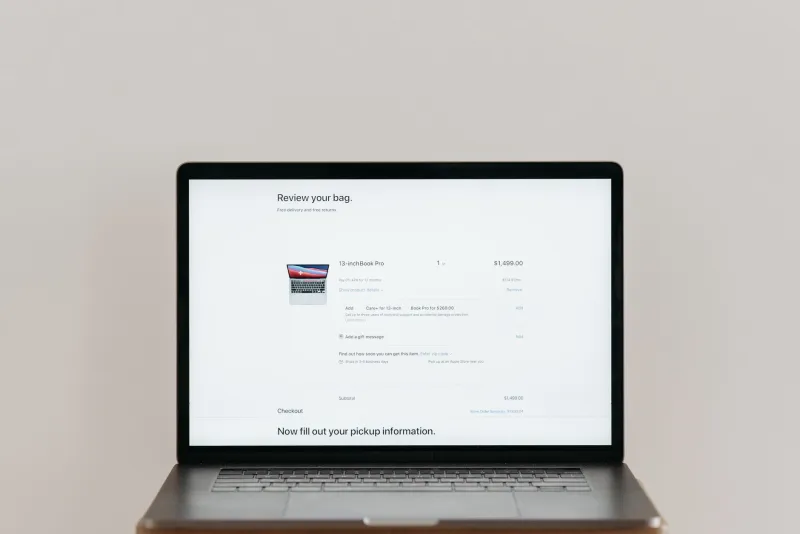
It's November 10, your cart reads $49.99, and a very polite banner informs you that you are $25.01 away from free shipping. Standard delivery is $6.99.
Most of us go hunting for a twenty-five dollar something. That hunt is the product. The threshold exists to convert a planned $49.99 purchase into an unplanned $75 one, and it works because free shipping feels like a discount instead of what it actually is: a coupon you pay for with a second purchase.
Start with the number nobody puts on the banner
The useful figure is not the gap. It's the effective price of the filler.
Effective filler price = (threshold − cart subtotal) − shipping fee
In the cart above: $25.01 − $6.99 = $18.02. That is what the filler item genuinely costs you in cash, over and above just paying the shipping and walking away. Framed that way, the question stops being can I avoid the fee and becomes would I pay eighteen dollars for this thing I hadn't thought about ten minutes ago? For most filler, the answer is no.
Run it the other direction and the logic still holds. If you're $4 short and shipping is $6.99, the formula goes negative: the filler effectively costs minus $2.99, meaning you spend less overall and get an item. That's the rare case where topping off is defensible — but only if the item passes the tests below.
The three fillers that ambush holiday carts
The almost-practical add-on. AA batteries, a three-pack of socks, a phone cable. These are real products, which is exactly what makes them dangerous. If you genuinely need batteries this week, fine. If you're buying them because they feel responsible, you've bought a $18 cable.
The gap-priced bait. Look at the shelf of items clustered right around the threshold gap. Retailers are not subtle about this: a $24.99 throw blanket when you're $25 short, a $26 candle set, a $24.50 desk organizer. The price coincidence is the tell.
The tier jumper. Ever noticed a second, higher threshold — the one that unlocks expedited or two-day shipping? That's the advanced version. Now you're padding a cart you already padded, in a season where a missed delivery window has real consequences.
Peak season makes it worse, not better
The stretch from late November through mid-December is when shipping thresholds do the most damage, because urgency is doing the heavy lifting. Two things worth knowing before you click:
- Most major US retailers park their free-shipping threshold somewhere in the $35 to $75 band. The number itself matters less than whether it's above or below your cart.
- In a number of states, delivery charges are taxed differently than merchandise — but that cuts both ways. Your $25 filler is taxable merchandise in every state. The $6.99 shipping label may not be taxed where you live. Paying the fee can be the cheaper, quieter transaction.
- Returns are where filler really bites. Return the filler — or return part of the original order — and many retailers recalculate shipping eligibility on the remainder. You can end up paying the fee anyway plus a return trip.
The 20-second pre-checkout formula
Run these four lines in order. Stop at the first hard no.
- Gap math. Gap minus shipping fee. That's the filler's real price.
- The free-shipping test. Would you buy this item if shipping were already free and no threshold existed? If the answer needs a paragraph of justification, it's no.
- The two-week test. Name the exact place in your home where it lives. Not the closet. The second shelf, left side, next to the thing it replaces. If you can't place it, you don't need it.
- The return math. Add the cost of a return trip — gas, time, the 40-minute hold with support. That's the downside insurance on a purchase you didn't plan.
If it survives all four, buy it. If it fails at step two, pay the $6.99 and close the tab. You will not remember the fee in February. You will remember the drawer full of almost-practical add-ons.
When chasing the threshold is genuinely smart
There are legitimate cases, and they're narrower than the banners imply:
- Consumables you will finish. Printer paper, toothpaste, pet food, the specific shampoo you already rebuy. No decision, no risk. Just confirm the unit price isn't padded to offset the free shipping — a 12-pack at $1.40 per unit can beat an 8-pack at $1.90 even with a fee attached.
- Things already on a list. If the filler appears on a note you wrote before you ever opened the site, it's a purchase, not padding.
- Deadline-sensitive gifts. In the second week of December, an upgraded shipping tier can be worth real money versus a missed delivery. That's paying for a service, which is a different transaction than buying a candle to unlock a discount.
The uncomfortable takeaway
A shipping fee is a small, visible, one-time cost. Cart filler is a small, visible cost with a tail: storage, clutter, the vague guilt of an object you never wanted, and occasionally a return errand. One is a line item. The other is a habit.
The $6.99 is not the store winning. It's you buying exactly what you came for, at the price it actually costs, and keeping thirty dollars in your pocket. That's the whole trade — and it's a good one.