The Two-Day Cart Rule: How to Outlast an Online Store’s Urgency Tricks
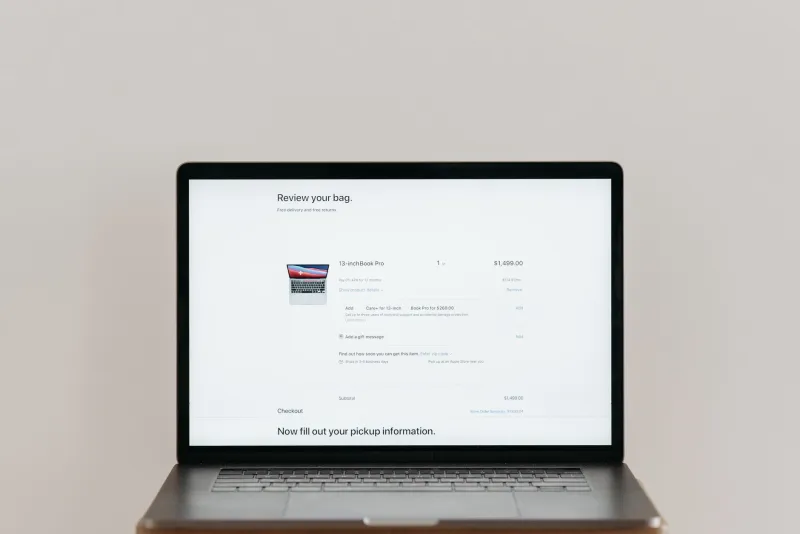
Online checkout pages are built to make waiting feel expensive. The timer ticks. A badge says only three left. Your card is already saved. None of that means the price is good; it means the page is good at its job. For deal season — and honestly, for any Tuesday — a two-day cart rule is the cheapest tool I know.
The clock is part of the sales pitch
Countdown timers, low-stock warnings, and one-click checkout are not neutral design choices. Retailers use scarcity and urgency because they work. A 2026 deal page can show a countdown that resets, a stock number based on a single warehouse, and a button that removes the last pause between wanting and buying. The goal isn’t necessarily to trick you out of your money. It’s to shorten the distance between interest and purchase. Your job is to put a little distance back.
That’s where 48 hours comes in. It’s long enough for the adrenaline to fade and short enough that you don’t forget what you wanted. It also gives you time to check whether the ‘sale’ price is actually lower than the usual price. Many products carry a default discount most of the year. A red tag on top of a permanent markdown is not a bargain; it’s decoration.
What to screenshot before you close the tab
You don’t need a spreadsheet for every cart. You need a quick record. Before you walk away, capture:
- The product page with the full price, sale price, and any coupon field.
- The cart total, including shipping and estimated tax.
- The countdown or low-stock message, if there is one.
- The retailer’s return window and restocking fee, if any.
Screenshotting takes ten seconds and kills the ‘was it really that cheap?’ guessing game. It also gives you a clean comparison if the price changes overnight. It often does.
The 48-hour checklist
Day one: close the tab. Not minimize — close it. If you’re on a phone, remove the item from your saved cart or at least turn off the retailer’s push notifications. The point is to stop the page from following you around.
Day two: check the price elsewhere. Search the exact model number or product name plus ‘price’ and look at a price tracker if the retailer is a big marketplace. CamelCamelCamel and Keepa are useful for Amazon history; Google Shopping’s price insights can show whether a current price is high, low, or typical. For other stores, a quick search of the product name plus ‘coupon’ is usually enough to find out whether the ‘exclusive’ discount is public.
Day two, part two: ask three questions.
- Would I buy this at full price if I needed it? If no, the discount is doing the persuading.
- Do I have a place for it, a use for it, or a person it’s for? ‘It’s a good deal’ is not a use.
- Is the return window long enough to test it? If it’s final sale, the risk is higher.
If the answers are yes, yes, and yes, buy it. If the cart still feels exciting but the answers are fuzzy, let it sit another day. The deal will either still be there or it won’t. If it disappears, you’ve learned something about how that store runs promotions.
How to spot a default discount
A default discount is a sale that never really ends. You’ll see the same 20% off banner in March and October, or a ‘limited time’ bundle that’s been on the page since last winter. Price trackers help, but you can also check the retailer’s clearance section and the product’s review dates. If the ‘sale’ has been running long enough for strangers to mention it in reviews, it’s probably the normal price.
Another tell: the discount is calculated against a list price that no one pays. A $79.99 ‘original’ price with a $39.99 sale is only meaningful if the item actually sold at $79.99 recently. If every seller lists it at $40, the list price is theater.
When waiting is the wrong move
The two-day rule has exceptions. If you need the item for a specific date — a gift, a repair, a school deadline — waiting can cost more than the discount is worth. If the item is genuinely limited, like a specific size or a one-off open-box unit, the risk of losing it may be real. And if you’ve already done the research and the price is at a historic low, waiting just to prove a point is its own kind of waste.
The rule isn’t ‘never buy on impulse.’ It’s ‘don’t let a timer make the decision for you.’ A cart that survives 48 hours is usually a cart worth checking out. A cart that loses its shine overnight was probably never about the product.
The takeaway
Urgency is a design choice, not a price signal. Screenshot the page, close the tab, check the history, and give yourself two days. You’ll either buy with a clearer head or save the money entirely. Both are wins — and neither one requires you to fight a countdown clock at 11:58 p.m.