The Shelf Math That Saves Money: 7 Household Staples Where the Small Package Is a Trap
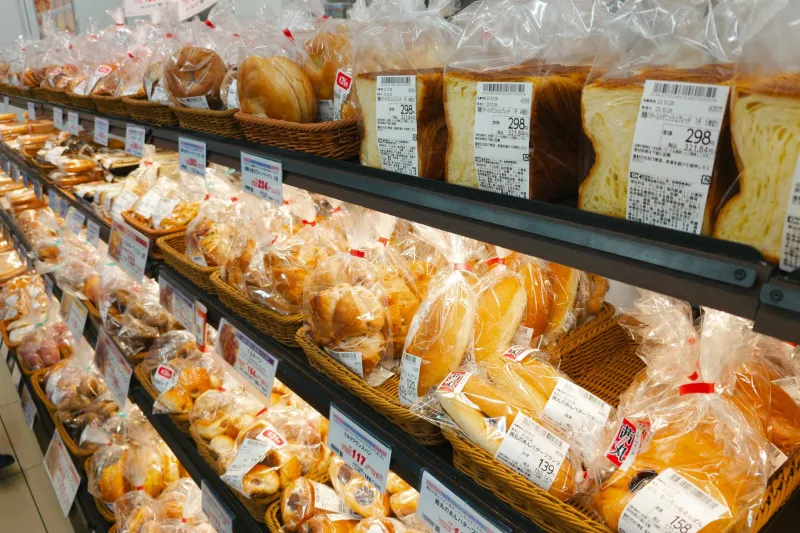
Grocery inflation in late 2026 may feel calmer than the 2022 spike, but the shelf is still full of quiet traps. Packages get smaller. Labels get louder. The price tag stays about the same. That is why budget shoppers need to stop shopping the sticker and start shopping the unit price.
The formula that ends most arguments
Unit price = total price ÷ net amount. The net amount can be ounces, fluid ounces, sheets, loads, or cups. For household goods, the better number is often cost per use:
Cost per use = package price ÷ number of uses in the package.
A detergent bottle that claims 64 loads is $9.99 ÷ 64, or about $0.16 per load. A smaller bottle at $3.49 with 14 loads is about $0.25 per load. The small bottle has the lower sticker. The big bottle has the lower cost per wash.
Use the same idea everywhere. For paper goods, compare cost per 100 sheets, not cost per roll. For olive oil, compare cost per fluid ounce. For rice and pasta, compare cost per dry ounce or per cooked cup. For coffee, compare cost per brewed cup.
The prices below are illustrative shelf math, because prices vary by store and week. The method is the point.
1. Store-brand olive oil
Olive oil is a classic small-package trap. A 16.9-ounce bottle at $8.99 works out to about $0.53 per fluid ounce. A 33.8-ounce store brand at $14.99 is about $0.44 per fluid ounce. Same oil category, very different math.
At Aldi, the store-brand olive oil is often the value pick, but check the unit tag because sizes shift. At Walmart, the large store-brand bottle usually beats the small name-brand bottle on unit price. At dollar stores, an 8-ounce bottle may look like a bargain, but it can land near $0.45 to $0.55 per ounce—right in line with a much larger bottle that will last longer.
Buy the size you will actually finish. Olive oil goes stale. A great unit price on a giant tin is not a savings if half of it goes rancid.
2. Laundry detergent and concentrated cleaners
The detergent aisle is where 'concentrated' gets confusing. A 2x formula is not automatically cheaper. You have to read the load count.
A Walmart store-brand 92-ounce bottle that claims 64 loads at $9.98 is about $0.16 per load. A dollar-store 32-ounce bottle at $3.50 that claims 16 loads is about $0.22 per load. The dollar-store bottle wins on sticker and loses on cost per wash.
Concentrated cleaners work the same way. A concentrate that costs $4.99 and makes four spray bottles is about $1.25 per bottle. A ready-to-use spray at $3.49 is $3.49 per bottle. The concentrate wins if you will actually mix it and not over-pour it.
3. Paper towels
Roll count is close to meaningless. Sheets per roll and sheet size are what matter.
A 6-roll pack with 40 sheets per roll has 240 sheets. A 12-roll 'mega' pack with 30 sheets per roll has 360 sheets. The second pack has more rolls, but you need the sheet total to compare.
Suppose a dollar-store 2-pack has 20 sheets per roll, or 40 sheets total, for $1.25. That is about $3.13 per 100 sheets. A Walmart 12-roll pack with 60 sheets per roll has 720 sheets. At $12.98, that is about $1.80 per 100 sheets. Costco can beat that on a per-sheet basis, but only if you have the storage and will not wrap a whole roll around a spill.
4. Toilet paper
Toilet paper may be the most shrinkflation-friendly product in America. 'Double roll' and 'mega roll' are marketing terms, not standard measurements. Compare cost per 100 sheets, then check ply and sheet size.
Aldi often has a strong store-brand price, but the sheet count can change between packaging runs. Costco's bulk package usually wins on cost per sheet, though the upfront price is higher. Walmart sits in the middle. Dollar stores can be useful for a small household that cannot store a giant pack, but the per-sheet price is often higher than it looks.
A simple rule: if the package does not list sheets per roll, treat it as a red flag. You cannot compare what the label hides.
5. Rice and pasta
Pantry basics are where bulk buying earns its keep—if you have pantry space. A 1-pound bag of rice at a dollar store for $1.25 is about $0.078 per ounce. A 5-pound bag at Walmart for $4.98 is about $0.062 per ounce. A 25-pound bag at Costco for around $18 is about $0.045 per ounce.
The Costco bag is the unit-price winner, but it is only a win if you eat rice often and can keep it dry and pest-free. The same math applies to pasta. A 1-pound box at $1.25 is $0.078 per ounce. A 3-pound store-brand box at $2.99 is about $0.062 per ounce. Buy the bulk box when the meal plan supports it, not because the number on the shelf looks bigger.
6. Cereal and snacks
Cereal boxes are shrinking while the art gets bolder. Compare cost per ounce, not box size.
An Aldi store-brand cereal at 18 ounces for $2.49 is about $0.14 per ounce. A national-brand box at 12 ounces for $4.99 is about $0.42 per ounce. A dollar-store box at 8 ounces for $1.25 is about $0.16 per ounce. The dollar-store box can be fine for a single person, but it is not automatically the cheapest way to feed a family.
Snack bags are similar. The multipack is convenient, but the individual bags often cost more per ounce than one larger bag. Convenience is a real value—just price it honestly.
7. Coffee
Coffee math is easiest by the brewed cup. A 30.5-ounce can of ground coffee at $8.99 that makes about 90 cups is roughly $0.10 per cup. A 36-count box of pods at $17.99 is about $0.50 per cup. A 2-pound whole-bean bag at Costco for around $19.99 that makes about 180 cups is roughly $0.11 per cup.
If pods are the only way you will actually make coffee at home, they can still beat a $5 café run. But do not compare pods to ground coffee and call it a deal without doing the per-cup math.
The retailer cheat sheet
Aldi is strong on store-brand staples and small-store overhead, but sizes change, so check the unit tag. Costco usually wins on unit price for bulk goods, but the membership fee and storage space are part of the cost. Walmart is a solid middle ground with broad store-brand coverage; watch for rollbacks that are not actually lower per unit. Dollar stores are convenient for small households but often expensive per ounce, per sheet, and per load.
Shrinkflation traps to watch in late 2026
Same price, smaller net weight. 'Bonus' packs that are smaller than the old normal size. Concentrated formulas with a smaller cap that encourages over-dosing. Paper sheets that get narrower. Cereal boxes that get taller and lighter. The fix is boring and effective: read the net amount, check the unit tag, and divide before you decide.
The Savfy takeaway: the cheapest package is the one with the lowest cost per use, not the lowest number on the shelf. Bring a calculator, or use the one on your phone. The shelf math takes ten seconds and pays you back every week.